
Nano Banana 2.1 Released: What's New, Pricing, and How to Try It
Google just made Nano Banana 2.1 generally available in the Gemini API — and it's a bigger deal than a point release usually deserves. Per-image pricing is cut roughly in half versus Nano Banana 2, the model adds panoramic aspect ratios, fuses up to 14 reference images into one generation, and renders text noticeably better. Meanwhile, Nano Banana 2 is being retired on October 29, 2026.
Here's everything that changed, what it costs, and how it stacks up against Nano Banana Pro and the competition.
What is Nano Banana 2.1?
Nano Banana 2.1 (model ID: gemini-nano-banana-2.1) is Google's latest image generation and conversational editing model. It's the successor to Nano Banana 2 (Gemini 3.1 Flash Image), and it keeps the same deal that made the Flash line popular: Pro-class image quality at Flash-class speed and cost.
It went generally available in the Gemini API today and is rolling out across the Gemini app, AI Mode in Google Search, Google AI Studio, Google Flow, Stitch, Google Ads, and the Gemini Enterprise platform.
What's new in Nano Banana 2.1
Six upgrades matter for everyday work:
1. Better quality at every resolution. Visual quality and realism improve across 1K, 2K, and 4K outputs (1K remains the default).
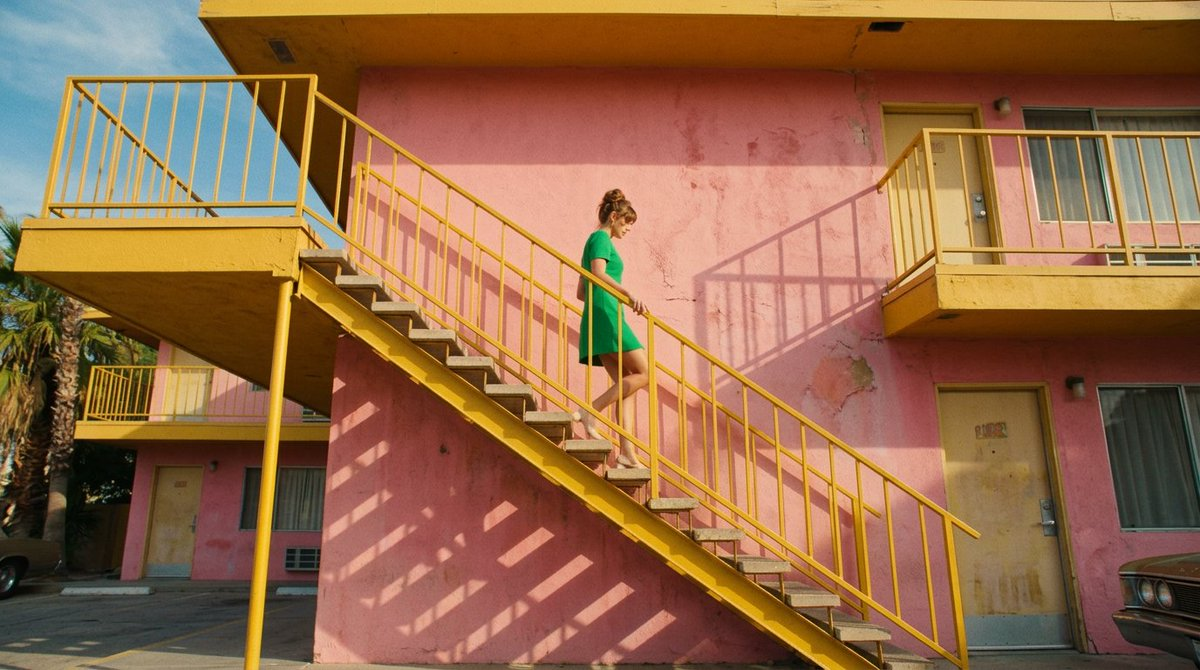
2. Panoramic aspect ratios, fixed. 2.1 supports extreme widescreen and panoramic ratios — 1:4, 4:1, 1:8, and 8:1 — and fixes the tiling artifacts that appeared at these ratios in 2K/4K. That makes banners, cinematic ultrawide shots, and scroll-stopping panoramic compositions actually usable.
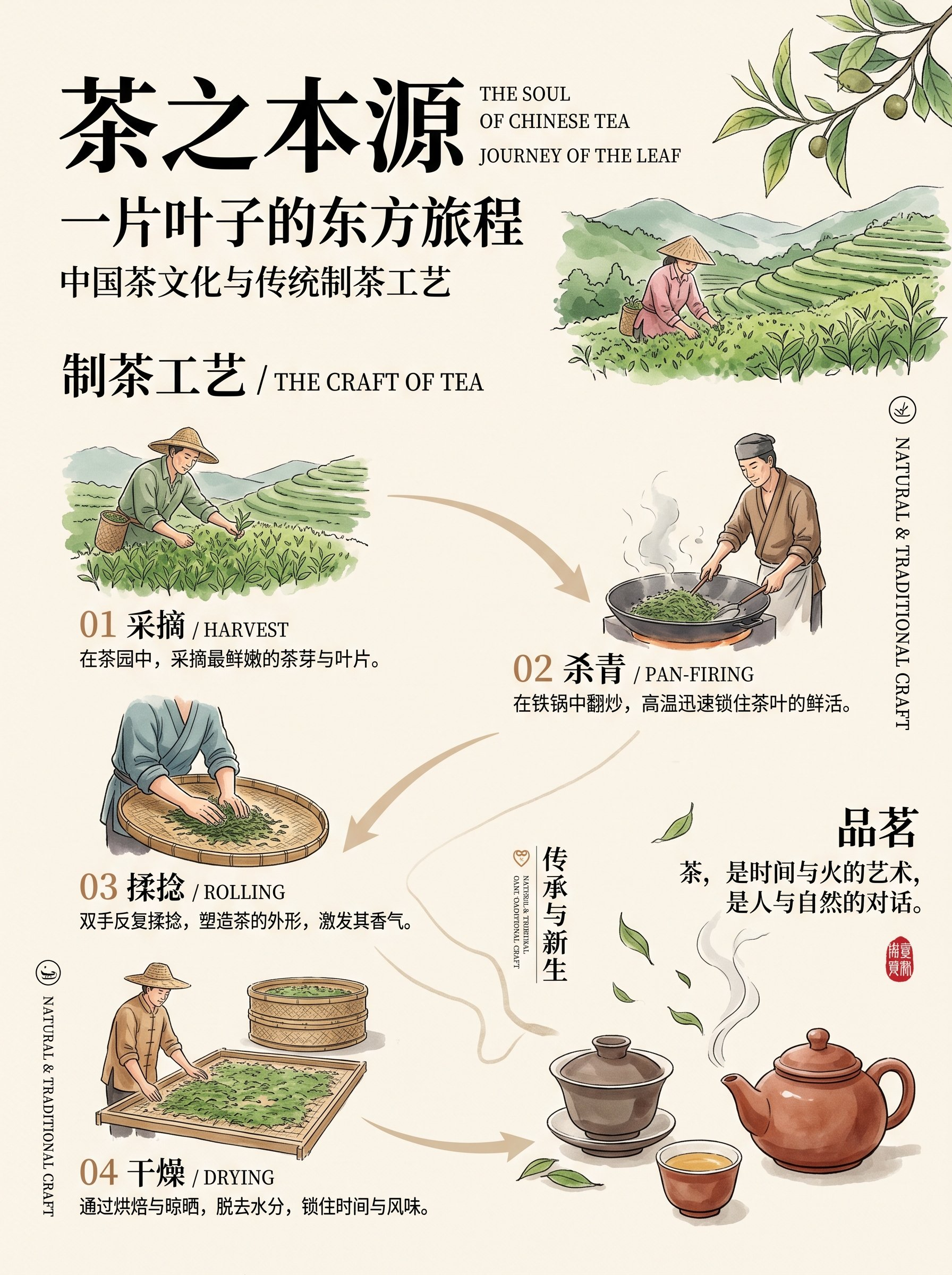
3. Sharper text rendering. Text inside images and infographic layouts are noticeably more accurate — historically the weak spot of every image model, and a recurring strength of the nano banana line.
4. Multi-image fusion with up to 14 reference images. Feed it up to 14 references while keeping up to 4 characters consistent and up to 10 objects faithful. For storyboards, product lineups, and multi-character scenes, this is the headline feature.
5. Search grounding. 2.1 can ground generations with Google web and image search — useful for real-world knowledge like landmarks, products, and current visual references.
6. Configurable thinking levels. Choose minimal, medium (default), or high reasoning per generation — trade latency for prompt adherence on complex compositions.
Here's a sample of what the upgraded output looks like:
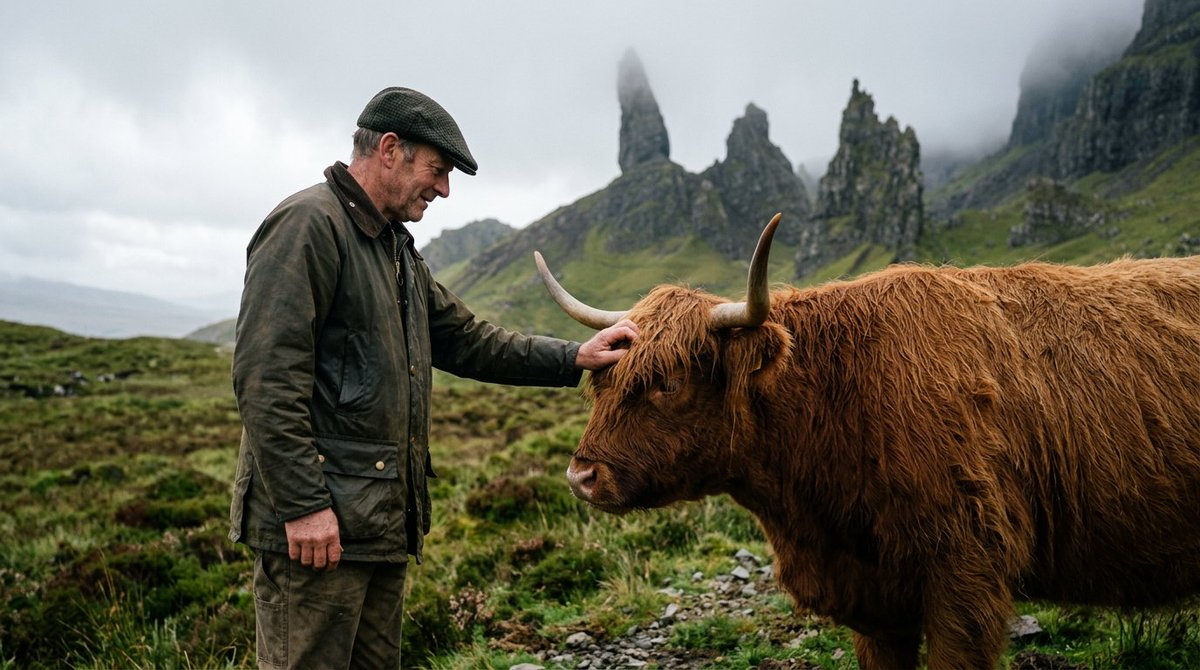
Nano Banana 2.1 vs Nano Banana 2 vs Nano Banana Pro
| Nano Banana 2.1 | Nano Banana 2 | Nano Banana Pro | |
|---|---|---|---|
| Model ID | gemini-nano-banana-2.1 | gemini-3.1-flash-image ⚠️ | Gemini 3 Pro Image |
| Status | GA today | Deprecated — off Oct 29 | Available |
| Positioning | Flash speed, Pro-adjacent quality | Previous Flash tier | Highest quality tier |
| Resolutions | 1K / 2K / 4K | 1K / 2K / 4K | 1K / 2K / 4K |
| Extreme ratios (1:4–8:1) | ✅ (artifacts fixed) | ⚠️ tiling artifacts at 2K/4K | ✅ |
| Reference images | Up to 14 | Fewer | Up to 14 |
| Character consistency | Up to 4 characters | Up to 4 | Up to 4+ |
| Search grounding | ✅ | ✅ | ✅ |
| Cost per 1K image | ~$0.034 | ~$0.067 | Higher (Pro tier) |
| Thinking levels | minimal / medium / high | — | configurable |
The short version: 2.1 replaces Nano Banana 2 at roughly half the per-image cost, with better quality and fewer artifacts. Nano Banana Pro remains the premium tier when you need maximum fidelity and don't mind paying for it.
Pricing: the half-price headline
From Google's pricing page (per million tokens):
| Item | Nano Banana 2.1 | Nano Banana 2 |
|---|---|---|
| Input (text/image/video) | $1.50 | $0.50 |
| Output (text + thinking) | $7.50 | — |
| Output (images) | $30.00 | $30.00 |
| Cost per 1K image | ~$0.0336 | ~$0.067 |
| Cost per 2K image | ~$0.0504 | — |
| Cost per 4K image | ~$0.0756 | ~$0.151 |
| Batch API | 50% off | 50% off |
The output-token price is unchanged at $30/M, but 2.1's improved token efficiency means each image costs about half of what Nano Banana 2 charged. One caveat: prompt input is pricier ($1.50 vs $0.50 per million tokens), so prompt-heavy batch jobs should be sized accordingly — though batch runs at half price softens that.
⚠️ Migration deadline: October 29, 2026
Google is deprecating gemini-3.1-flash-image (Nano Banana 2) with a hard shutdown on October 29, 2026 — about three weeks from launch. If your product or workflow still calls NB2, migrate to gemini-nano-banana-2.1 now. The API surface is compatible, so for most integrations it's a model-ID swap plus a re-test.
How it stacks up against the competition
Honest read: Google hasn't published benchmarks for 2.1 yet, and no independent image leaderboard has scored it at the time of writing. Neowin's launch coverage notes that OpenAI's ChatGPT Images 2.5 still leads the pack, particularly at retaining previous edits across multi-turn refinement; Microsoft's MAI-Image-2.6 sits second. (Search interest in Qwen Image and Wan 2.1 spiked alongside this launch, so the image-model race is clearly heating up on all fronts.)
Where 2.1 is hard to argue with: price-per-image, panoramic ratios, 14-image fusion, and Flash-tier speed inside the Google ecosystem. If your workload is high-volume image generation with tight budgets, the half-price move alone changes the math.
First reactions: strong text rendering — and one ugly benchmark
Chinese AI creator 歸藏 (Guizang, @op7418) — one of the most-followed AI voices on X — put 2.1 through its paces within hours of launch, and his verdict lines up almost exactly with what Google promised:
Chinese text clarity and typo problems have improved dramatically. The font design and typography aesthetics are excellent too — none of that 'shattered' look GPT produces. Clean images. Its main advantage over GPT: real 4K output. Suddenly it's useful again. Of course, the price is still steep. — 歸藏 (guizang.ai) on X
Three takeaways from this early hands-on match the headline features: text rendering (the classic weak spot of image models), 4K output, and a fair warning on cost — which is exactly where 2.1's half-price API pricing (see the table above) changes the calculus for high-volume workloads.
Prompts worth trying first
The features above shine in specific workflows. Start here:
- Multi-character scene: upload 3–4 character reference images and ask for a single group scene — test whether all identities survive (2.1's four-character consistency claim).
- Panoramic banner: prompt an 8:1 ultrawide scene — a city skyline, a desert highway — and check for tiling seams (2.1's fixed artifact).
- Infographic: ask for a labeled diagram or poster with specific text — test the improved text rendering.
- Product lineup: fuse up to 10 product objects into one e-commerce-style hero shot.
How to use Nano Banana models on Oimi
Oimi Canvas will be among the first platforms to integrate Nano Banana 2.1 — the rollout is already in progress, and 2.1 lands on the canvas as soon as it clears integration testing. Bookmark the Nano Banana Generator and check back: when 2.1 goes live there, you'll get its half-price quality bump, 14-image fusion, and panoramic ratios directly in the canvas — no API key, no code.
Meanwhile, everything else in the nano banana family is live on Oimi right now:
- Nano Banana Generator on Oimi Canvas — text-to-image and image-to-image on an infinite canvas, with iterative editing, multiple aspect ratios, and 2K/4K output. Running Nano Banana 2 today — the exact workflow 2.1 upgrades.
- Nano Banana Pro — the Gemini 3 Pro Image tier with 4K HD and precise multi-language typography, for when a shot needs maximum fidelity.
A practical workflow while you wait for 2.1: lock your compositions and prompts on the Flash-class model on canvas now, then when 2.1 ships on Oimi, re-run the same prompts and compare outputs side by side — you'll see exactly where the upgrade pays off. And if a shot needs Pro quality today, it's one click away.
FAQ
Can I use Nano Banana 2.1 on Oimi?
Yes — Oimi Canvas is integrating 2.1 and will be among the first platforms to support it. Until it lands, you can run Nano Banana 2 on the Nano Banana Generator today and Nano Banana Pro for maximum-fidelity shots.
When was Nano Banana 2.1 released?
October 6, 2026 — generally available in the Gemini API as gemini-nano-banana-2.1.
Is Nano Banana 2.1 free?
It's a paid API model (from ~$0.034 per 1K image, batch at half price). It's included in consumer surfaces like the Gemini app and Google AI Studio subject to your plan's limits.
What's the difference between Nano Banana 2.1 and Nano Banana Pro?
2.1 is the efficient Flash-class tier — new quality gains at roughly half the previous per-image cost. Pro (Gemini 3 Pro Image) is the maximum-quality tier. 2.1 narrows the gap considerably.
What happened to Nano Banana 2?
Deprecated. The API shuts down on October 29, 2026; Google recommends migrating to 2.1.
How many reference images does Nano Banana 2.1 support?
Up to 14 in a single generation, with up to 4 characters kept consistent and up to 10 objects preserved.
Does it support vertical and wide formats?
Yes — 1:4, 4:1, 1:8, and 8:1 aspect ratios are supported at 1K/2K/4K, with 2.1 fixing the tiling artifacts that affected widescreen at higher resolutions.
Keep exploring
- 🍌 Nano Banana Generator on Oimi Canvas — text-to-image & iterative editing on an infinite canvas (Nano Banana 2.1 support landing soon)
- 🍌 Nano Banana Pro — the Gemini 3 Pro Image tier, 4K HD + multi-language typography
- 📰 Nano Banana 2 Lite — the previous Flash-tier breakdown
- 🎬 Seedance 2.5 — pairing images with the latest video models
*Sources: Google AI for Developers (Gemini API changelog & model docs), Google pricing page, ArtificialWatch, Neowin