
Seedance 2.5 Release: 30s Video, 50 References & Controllable Editing
Seedance 2.5 has finally been unveiled. At Volcano Engine Force 2026, ByteDance introduced the next major update to its Seedance video generation family. For creators comparing models in an AI video generator, the new release matters because it changes how longer, reference-heavy workflows can be built. Instead of the rumored Seedance 2.1 name, the company presented a more substantial Seedance 2.5 release, with formal availability expected in July.
The important point is not simply that another AI video model is launching. Seedance 2.5 pushes the workflow from short, single-shot generation toward longer, more complex, and more controllable video production.
Quick Takeaways
- What Seedance 2.5 is: ByteDance's next major AI video generation model in the Seedance family.
- Expected availability: Based on public conference information, Seedance 2.5 is expected to become available in July.
- Main upgrades: 30-second native video, 50 full-modal references, controllable video editing, 3D previz, and native 4K support.
- Why it matters: It moves AI video from short-shot generation toward longer, more complex, and more reusable production workflows.
Prepare a Seedance 2.5 Video Workflow
Use Oimi Canvas to organize reference images, storyboards, motion prompts, and video nodes before testing Seedance 2.5 when it becomes available.
Try It Early
Three Key Seedance 2.5 Upgrades
The public information points to three major upgrades: 30-second native video generation, support for 50 full-modal reference assets, and more controllable video generation and editing.
The 30-second length matters because Seedance 2.0 previously topped out at 15 seconds. Longer native clips reduce the need to stitch short generations together, making it easier to preserve character state, spatial continuity, and camera rhythm.
The jump to 50 full-modal references is also important. Complex video generation needs more than a paragraph of text. Character references can preserve identity, scene references can define space, video references can guide motion, audio can shape pacing, and prompts can specify the final intent.
The editing upgrade may be even more practical. ByteDance showed a direction where the model can keep the motion, camera position, and lighting of an original video while replacing the subject. That moves AI video from pure generation into reusable video variation and post-production workflows.
Seedance 2.0 vs Seedance 2.5: Key Differences
| Area | Seedance 2.0 | Seedance 2.5 |
| Clip length | Up to about 15 seconds | 30-second native video generation |
| Reference assets | Up to about 12 text, image, audio, or video references | Up to 50 full-modal reference assets |
| Video editing | Focused on high-quality generation and basic editing | Emphasizes subject replacement while preserving motion, camera, and lighting |
| Production workflow | Useful for short shots, ads, and image-to-video clips | Adds 3D previz, native 4K support, and more complex scene orchestration |
From Prompting Everything to Organizing References
Many AI video prompts try to describe everything at once: the character, scene, movement, visual style, timing, and camera path. As videos become longer and more complex, that approach becomes fragile.
How to Prepare a Seedance 2.5 Video Workflow
Creators can prepare before Seedance 2.5 is widely available by organizing high-quality references, building reusable video templates, writing clear preservation constraints, and comparing prompt versions inside a single AI canvas workspace.
Seedance 2.5 points toward a different workflow. Creators can separate the job into reference assets, motion instructions, editing constraints, and version comparison. The prompt becomes less of a place to describe everything and more of a way to coordinate materials.
Controllable Editing: From Generating Videos to Modifying Videos
If Seedance 2.5 can preserve an existing clip's motion, camera, and lighting while changing the main subject, it becomes useful for ad variants, short drama concepts, ecommerce videos, and creator templates.
- Brands can keep the same shot structure while swapping product designs.
- Short drama teams can test different character looks without rebuilding a scene.
- Ecommerce teams can reuse a proven camera move across multiple products.
- Creators can turn a working shot into many style variants.
Test References, Video Nodes, and Motion Prompts
Open Oimi Canvas to keep characters, products, scenes, and video prompts in one workflow and compare different model outputs.
Open Oimi Canvas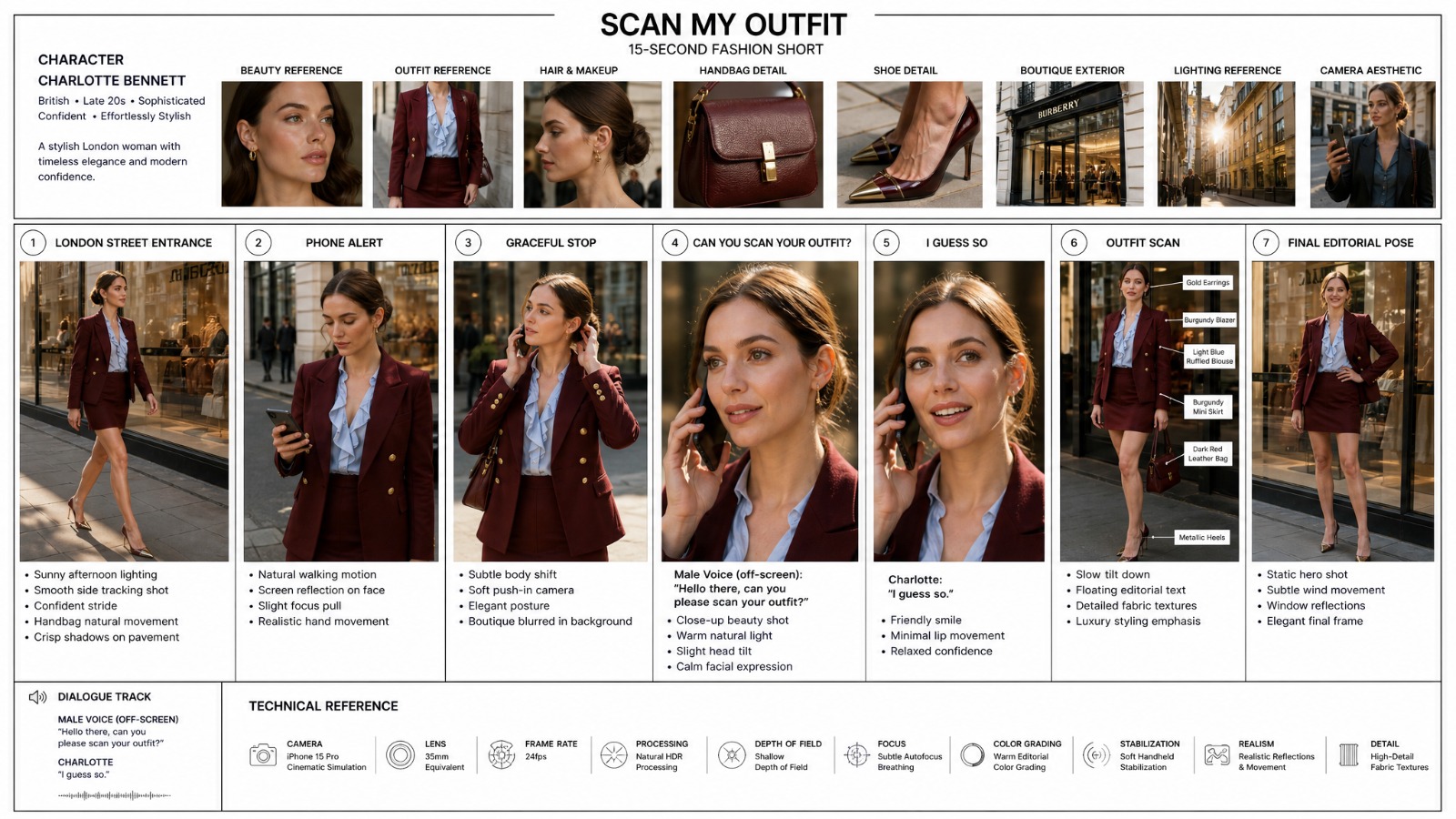
3D Previz Could Matter for Professional Production
Seedance's new version is also expected to include 3D white-model previz. The idea is straightforward: provide a basic 3D structure and a style reference, then let the model render a more detailed and stable video.
For film, advertising, and game teams, this is more important than another quality boost. A white model can lock space, composition, and motion before the model adds materials, lighting, and style. That makes AI video easier to plug into storyboard-to-video AI, concept tests, and production planning.
Other AI Video Models Are Accelerating Too
Seedance 2.5 is not launching in isolation. Alibaba introduced HappyHorse 1.1 around the same window, while Kuaishou's Kling AI continues to push cinematic video generation and commercialization.
Alibaba's Wan2.7-Video is moving in a similar multi-modal direction, emphasizing control over structure, plot direction, local details, and temporal changes. PixVerse is also iterating toward short drama, animation, and film-like production needs.
Google's Gemini Omni represents another path: generating any content from any input. Compared with Seedance, HappyHorse, Kling, Wan, and PixVerse, it shows that the competition is not limited to video quality alone. It also spans multimodal inputs, output formats, platform ecosystems, and how easily creators can reuse a workflow.
Try a Seedance Video Workflow
Start with an existing Seedance template, organize references and prompts, then use it as a comparison workflow when Seedance 2.5 becomes available.
Try It Early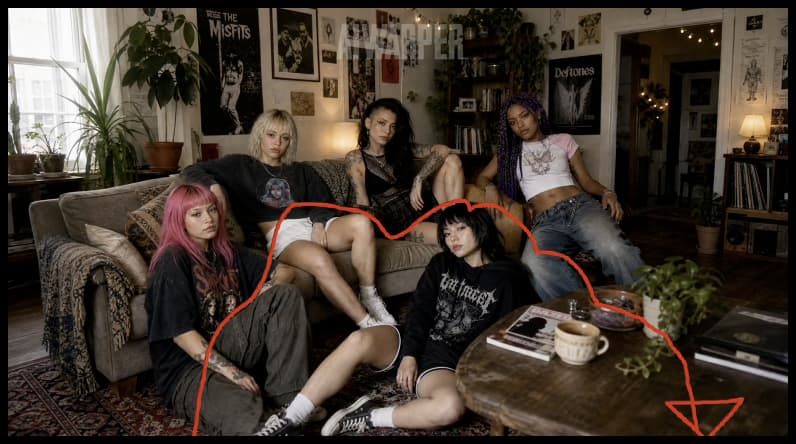
Conclusion
Seedance 2.5 is not just a single quality upgrade. It pushes AI video toward longer shots, richer references, controllable editing, 3D previz, and higher-resolution production.
At the same time, HappyHorse, Kling, Wan, PixVerse, and Gemini Omni are all moving quickly. The AI video race is no longer just about visual quality. It is becoming a competition over workflow control, production efficiency, commercial economics, and creator ecosystems.
If Seedance 2.0 changed expectations for AI video quality, Seedance 2.5 is asking the next question: can AI video become stable, controllable, and reusable enough for real production workflows?
FAQ
What is Seedance 2.5?
Seedance 2.5 is ByteDance's next major AI video generation model in the Seedance family, unveiled at Volcano Engine Force 2026 and expected to become available in July.
What are the main Seedance 2.5 upgrades?
The key upgrades are 30-second native video generation, support for up to 50 full-modal reference assets, more controllable video generation and editing, 3D white-model previz, and stronger high-resolution production support.
How is Seedance 2.5 different from Seedance 2.0?
Seedance 2.0 focused on high-quality short AI video generation, with a 15-second generation limit and fewer reference assets. Seedance 2.5 extends the workflow toward longer videos, more references, and controllable editing.
When will Seedance 2.5 be available?
Based on the public conference information, Seedance 2.5 is expected to officially become available in July.
Where can I prepare a Seedance video workflow?
You can use Oimi Canvas to organize reference images, storyboards, video prompts, and generated clips in one workflow, then use that structure to compare Seedance outputs as new versions become available.
Sources
- Public information from Volcano Engine Force 2026