 1 / 3
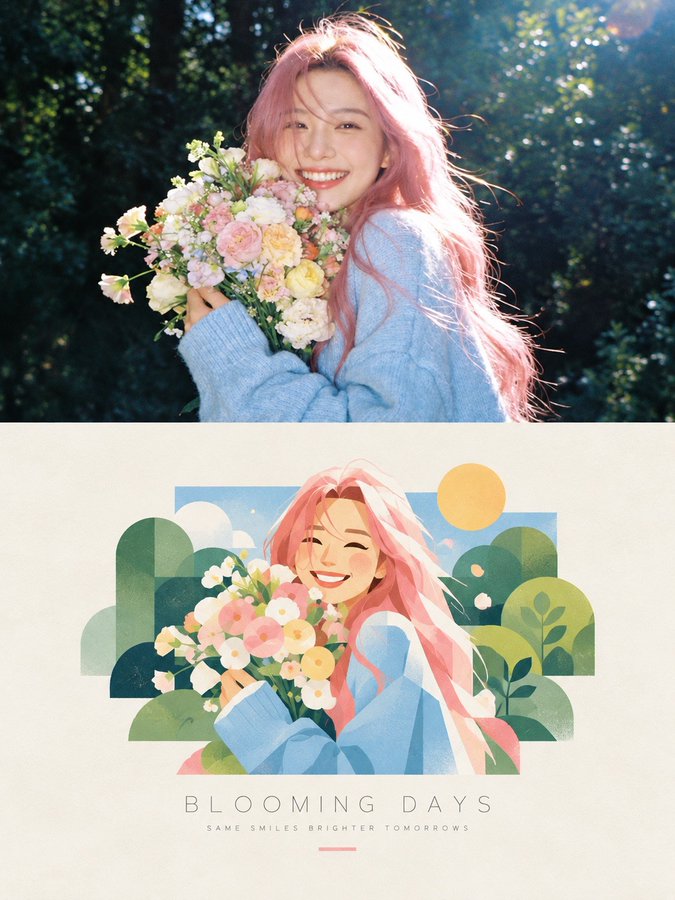
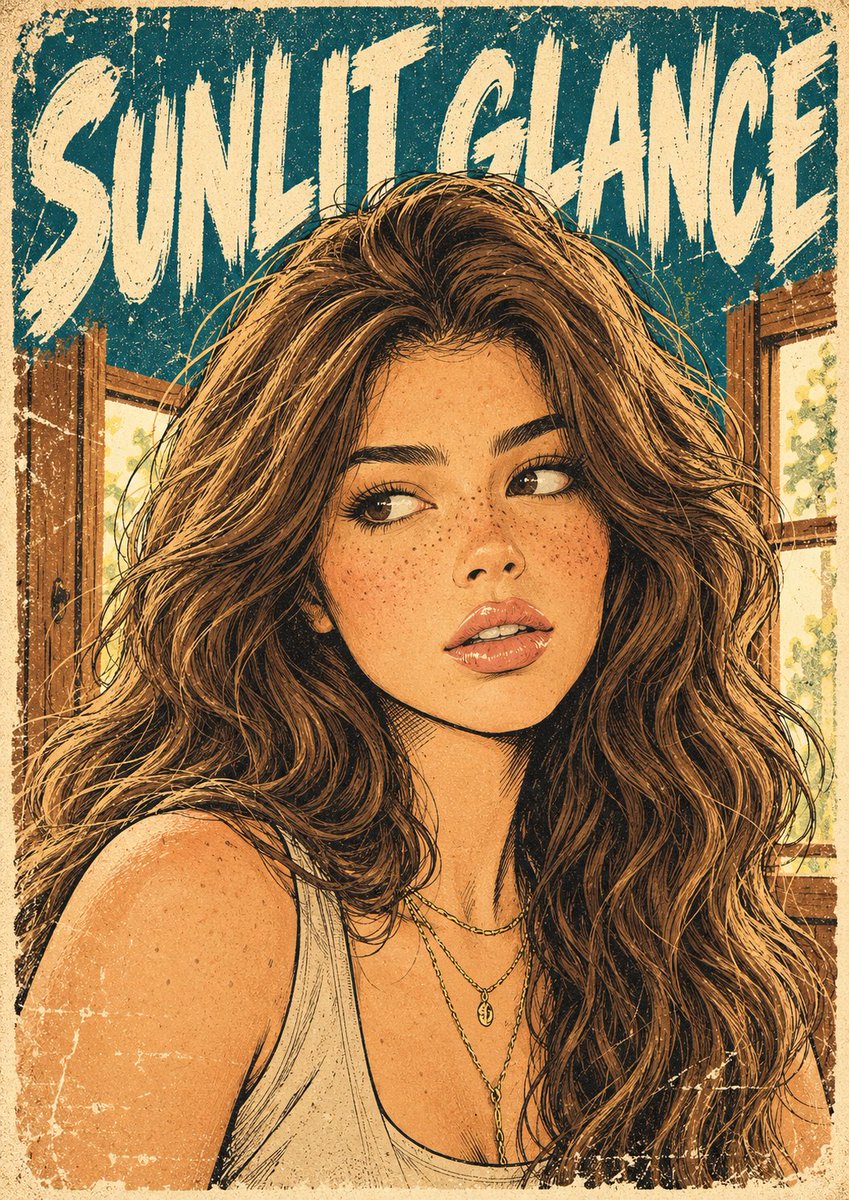
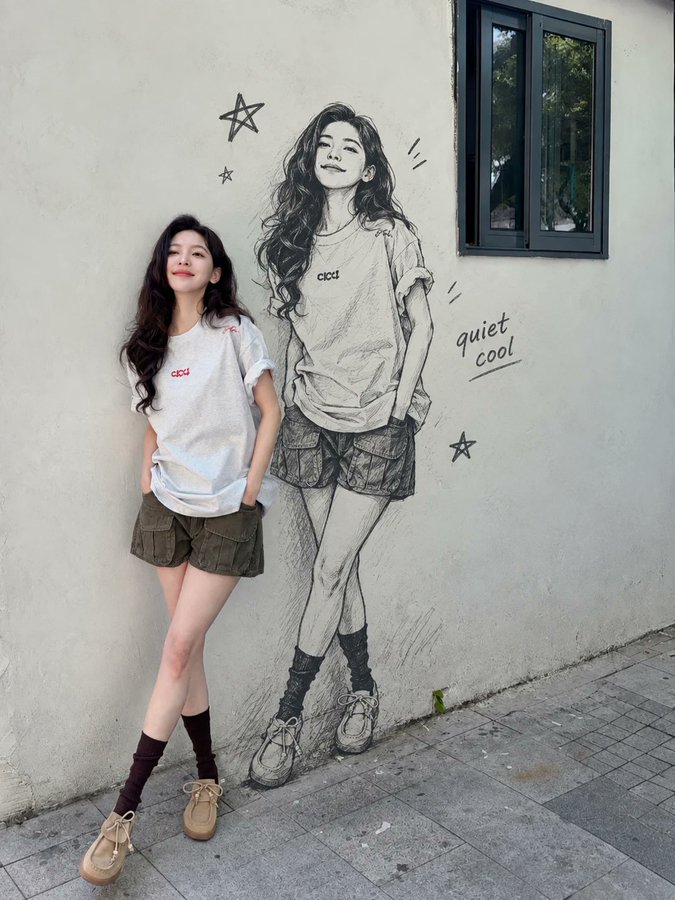
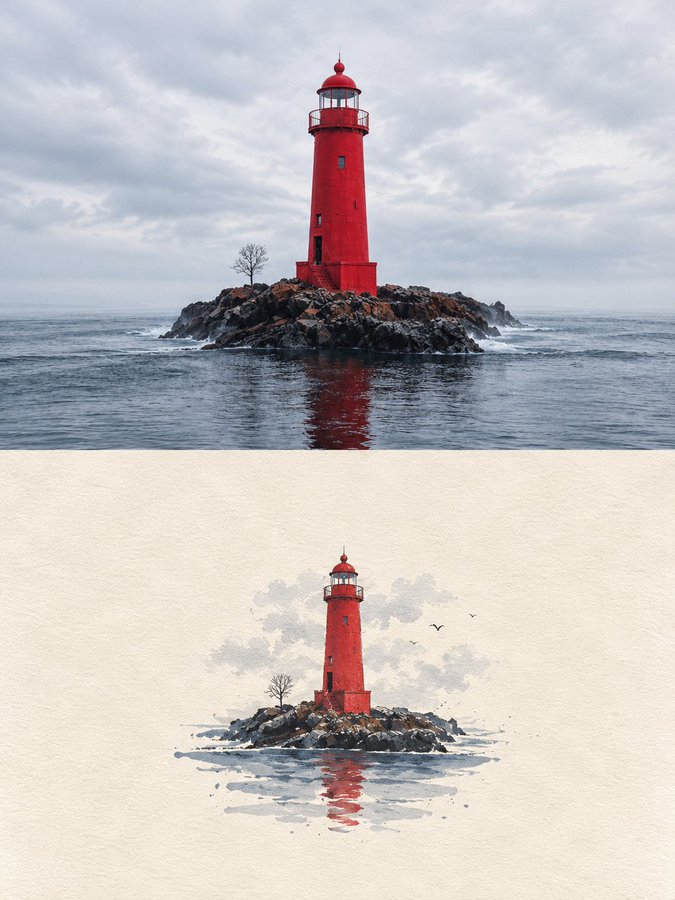
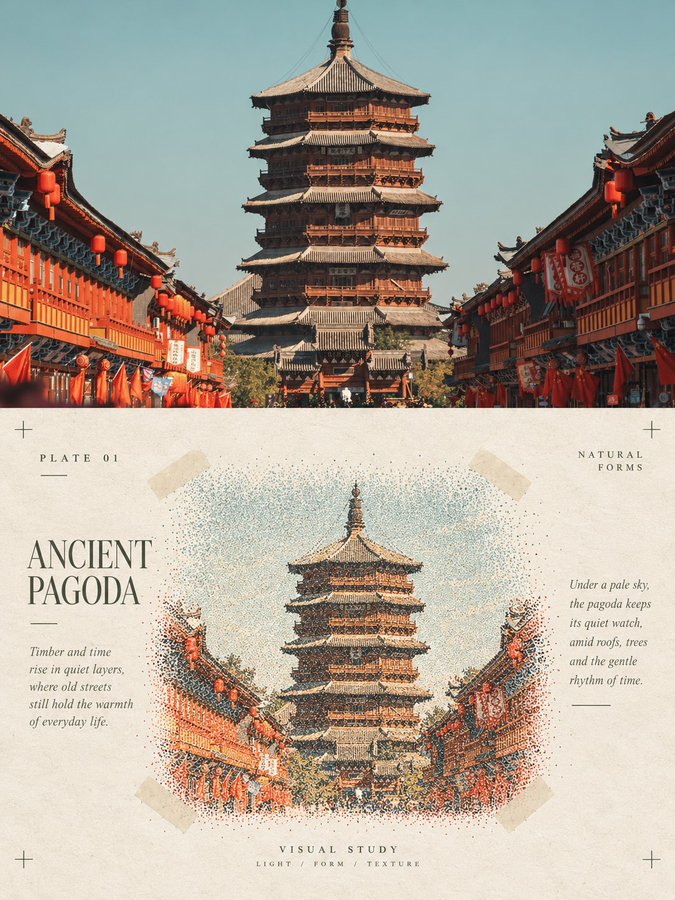
Photo to Natural Art Archive Poster: Pointillist Study on Handmade Paper
A dual-section natural art poster that preserves the original photo above and reimagines it as a fine pointillist painting on warm handmade paper below, complete with editorial typography and paper tape accents, evoking a quiet, poetic vintage natural history plate.
Full prompt
Design a 3:4 vertical natural theme art-edited poster using the input photo as the sole content reference, presenting an overall minimalist layout that combines vintage natural history illustrations, art journals, and handmade paper archives. The image is divided into upper and lower sections: The upper section accounts for approximately 45% of the entire image, with the original photo laid out horizontally and completely filling the space, retaining the original image's subject, composition, lighting, and colors, with minimal stylization, and no addition of any text or decorations. The lower section accounts for approximately 55%, using warm ivory white handmade paper as the background, featuring very subtle, natural paper textures. In the center, redraw the same scene from the original photo, maintaining the recognizable subject position, spatial relationships, and primary colors, but transform it into a fine pointillist painting: composed of numerous small, dense, varying shades of color ink dots, blended with the granular texture of vintage copperplate illustrations, botanical atlases, and delicate screen printing. Do not use watercolor washes or rough brushstrokes. The pattern is nearly square, with edges not as regular hard lines but gradually sparse, naturally dispersing small ink dots, softly blending into the paper background. At the four corners of the central pointillist painting, affix small segments of translucent light beige paper tape, with the tape angled naturally and slightly tilted, as if securing an art sample to archival paper. The lower section employs restrained, elegant, generously spaced English editorial typography, with text in low-contrast dark gray-green or gray-brown: In the upper left corner, place small, wide-tracking serif uppercase text "PLATE 01", followed below by an extremely fine short horizontal line; in the upper right corner, place two right-aligned lines of small text "NATURAL" and "FORMS". In the middle left, place an English theme title automatically generated based on the original image content, using an elegant high-contrast serif font, all uppercase, 2–4 words, which can be split into 2–3 lines. Below the title, add a fine short horizontal line, followed by a short italic English passage related to the atmosphere of the original image, left-aligned in a narrow column. In the middle right, place another short italic English poetic description, with content echoing the lighting, plants, animals, or landscapes in the original image, in narrow column typesetting, followed below by a fine short horizontal line. Near the four corners of the page, add a few minimal "+"-shaped registration marks and fine lines, without forming a complete border. At the bottom center, place small wide-tracking text "VISUAL STUDY", with the next line in even smaller text "LIGHT / FORM / TEXTURE". All English titles and descriptive texts are automatically written based on the specific content of each photo, without using fixed titles unrelated to the image. The overall aesthetic is quiet, poetic, refined, and vintage, like a plate from a high-end natural art magazine. Ensure the upper section is the clear original photo, while the lower section is the pointillist artistic reconstruction; do not generate unrelated scenes, and avoid adding frames, thick borders, floral decorations, logos, or watermarks; prevent oversized text, crowded layouts, and excessive distressing.
How to use
Requires uploading a photo as the sole content reference. You can change the photo subject, but keep the original composition and lighting. The editorial text will be generated based on the photo content; fixed titles are not recommended.