 1 / 4
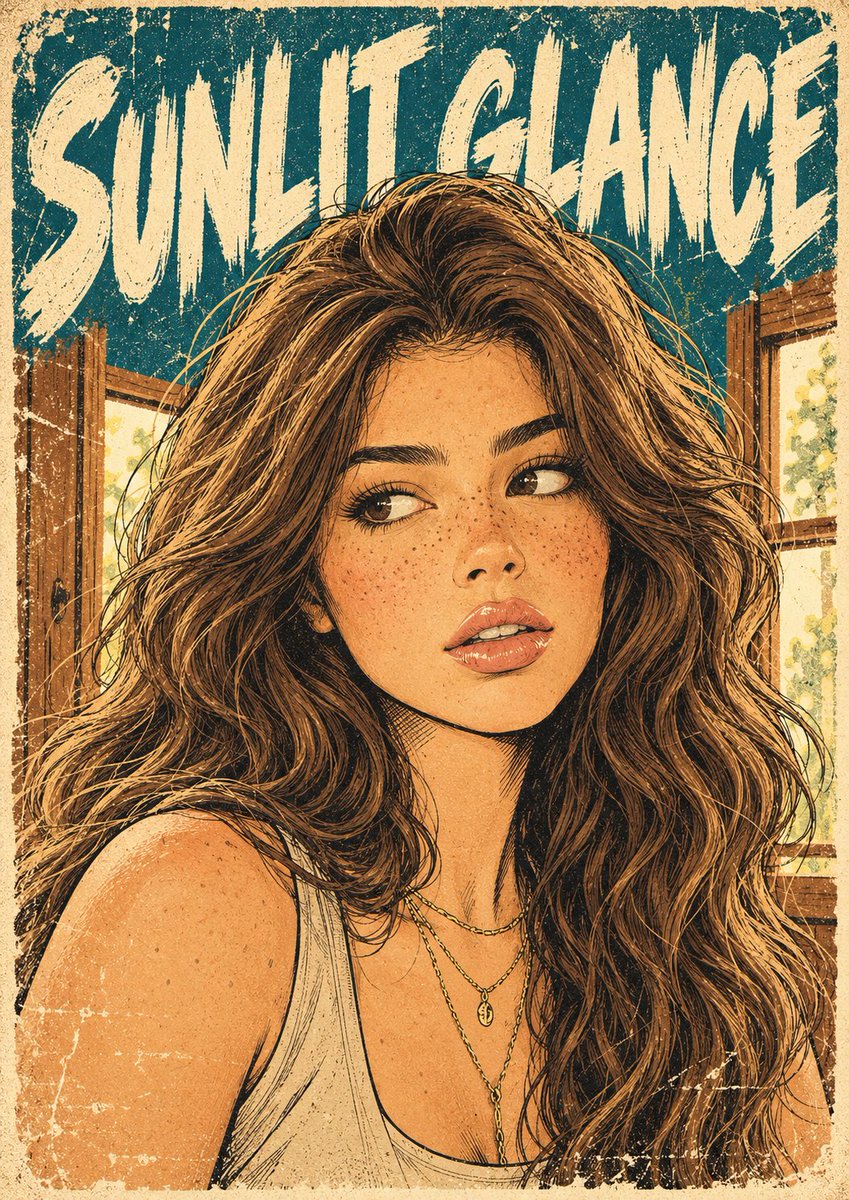
1 / 4Photo to Vintage Illustrated Poster: Bold Caricature & Distressed Ink Print
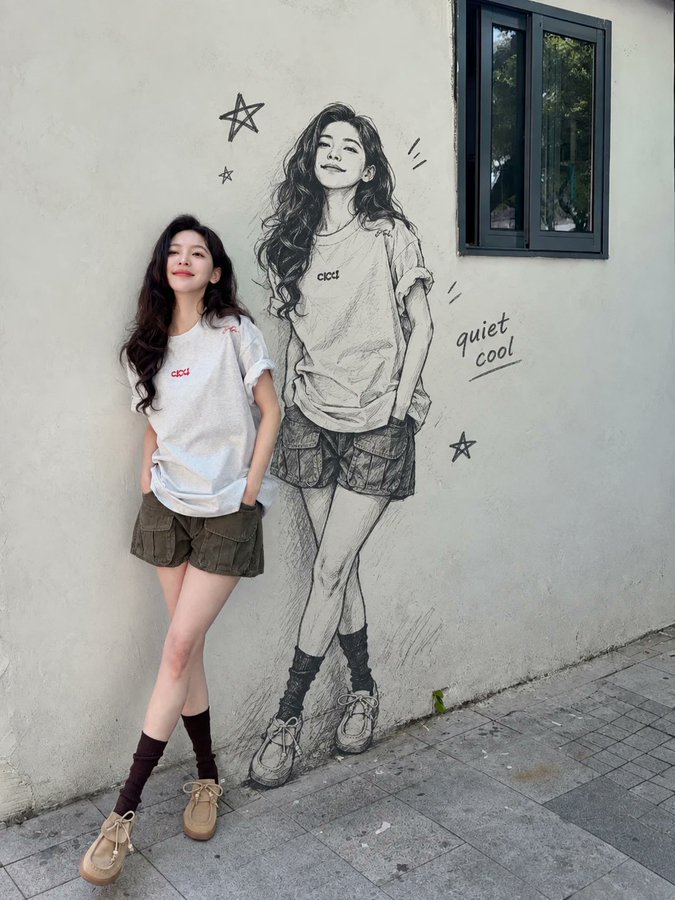
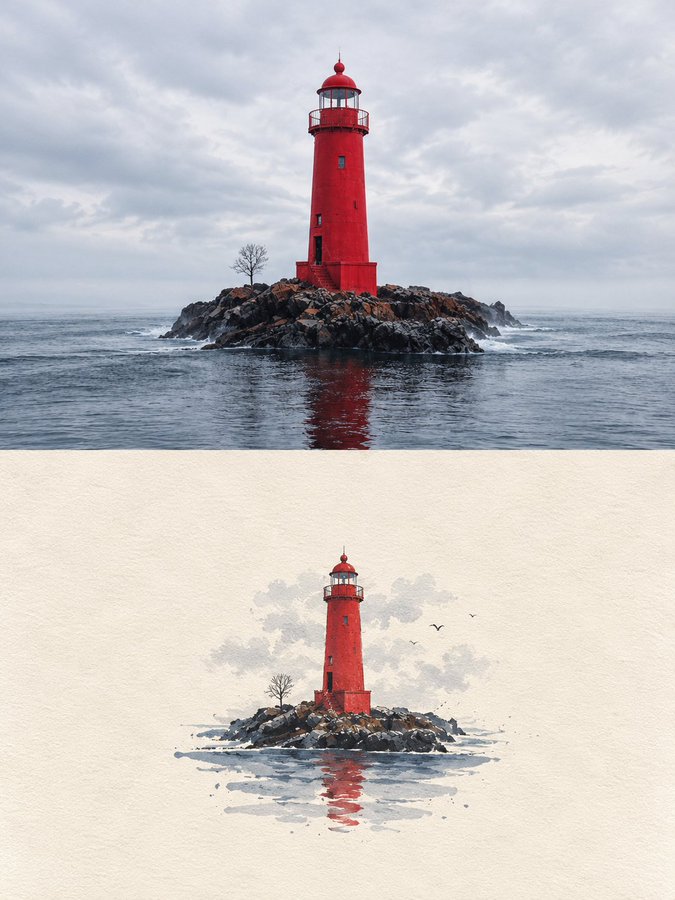
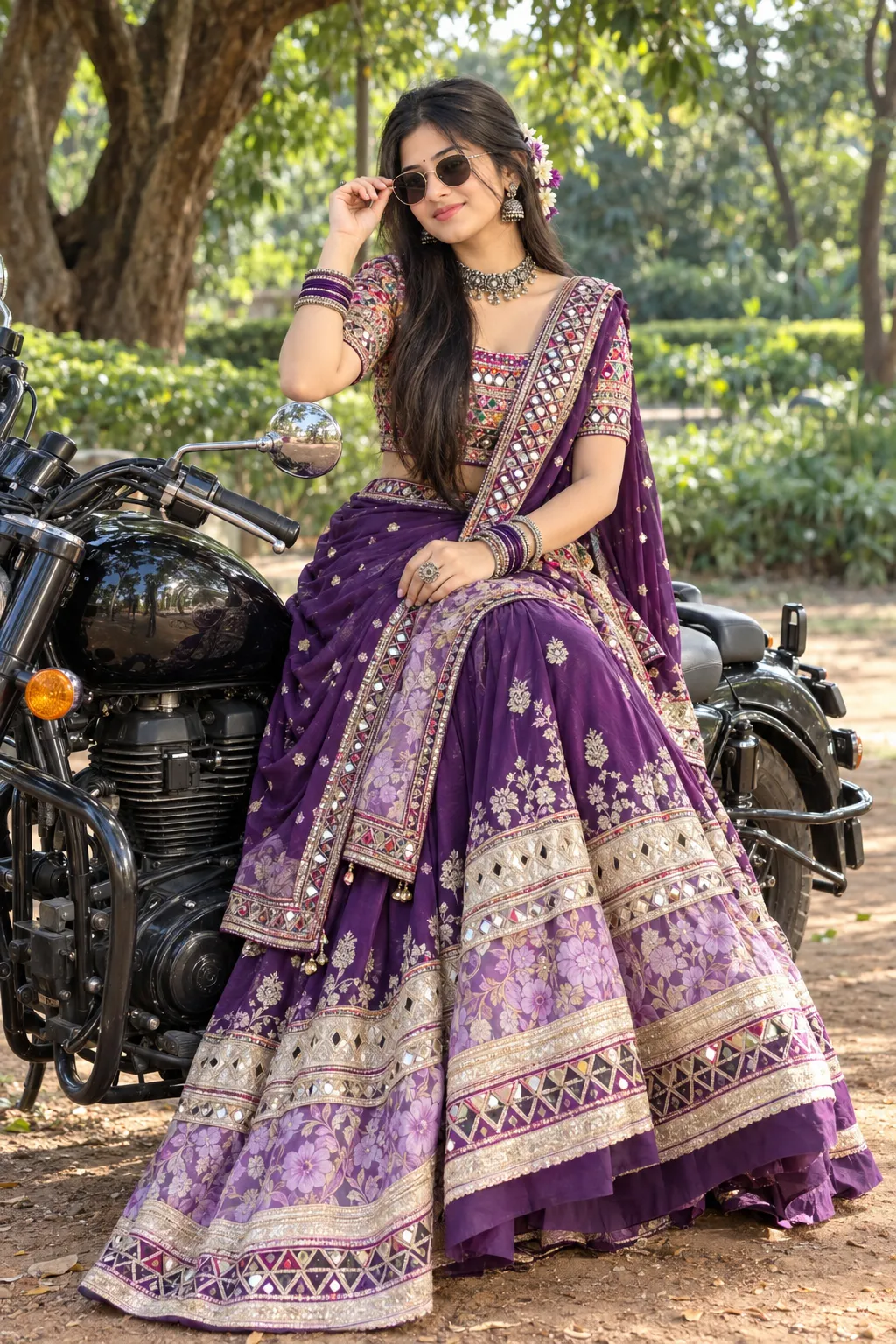
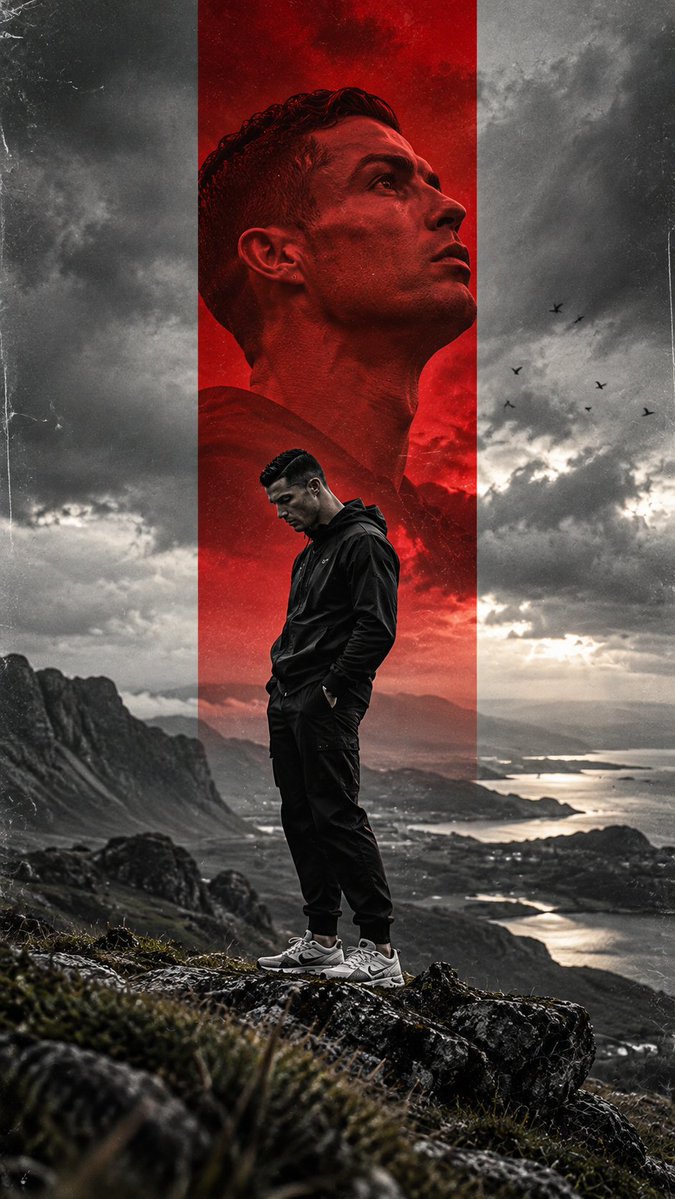
Transforms a single photo into a bold vintage poster with expressive editorial caricature, underground comic ink style, and distressed screen-print texture. It preserves key identity cues while redesigning facial features into a playful cartoon, complete with oversized brush lettering and worn-ink effects, ideal for unique character posters.
Full prompt
Use the single uploaded photograph as the sole source for the subject. Transform it into a bold vintage illustrated character poster combining expressive editorial caricature, underground comic ink drawing, and distressed screen printing on aged cream paper. Create a freshly drawn cartoon character with clearly redesigned facial proportions, then build the poster around that character. Output one finished transformed poster only. Preserve the principal subjects, recognizable hairstyle, facial hair, skin-tone family, age and gender presentation, distinctive accessories, clothing categories, signature colors, pose, gesture, and interaction with existing objects. Keep the source head angle and general viewpoint. Preserve identity through these selected cues rather than exact facial measurements. Allow substantial cartoon redesign of the eyes, brows, nose, cheeks, jaw, and mouth. Keep adults visually adult while giving them expressive, playful proportions. Draw a slightly enlarged head with a broad upper face, prominent cheek shapes, and a compact tapered lower face. Make the eyes conspicuously large, elongated almond shapes with broad warm-ivory whites, dark irises, and decisive black upper eyelids. Position the pupils clearly toward the source gaze direction, emphasizing an off-center sideways or upward glance when appropriate. Keep a wink or narrowed eye consistent with the original expression. Avoid a uniformly wide-eyed stare. Use strong expressive eyebrows, a simplified nose defined by a few ink marks and one angular warm shadow, and a distinctive mouth drawn with confident curves. Preserve a closed mouth, grin, parted lips, or other expression without imposing the same smile on everyone. Suggest teeth as simple ivory shapes when visible. Adapt lashes, lip emphasis, beard marks, freckles, and facial details to the person instead of applying one generic face. Use strong, organically varied black ink contours around the silhouette, hair, eyes, clothing, and important objects. Add finer scratchy pen lines, short directional hatching, and selective cross-hatching inside shadow areas. Hair should consist of large flowing locks and dark masses with lively curved ink strokes and a few warm highlights. Preserve the actual hairstyle and color family. Render facial hair with compact dark shapes and short rough strokes. Describe clothing through broad color regions, clear folds, and sparse energetic pen marks. Build volume with a few flat shadow shapes rather than photographic gradients. Use a compact palette of opaque printing inks: aged ivory, near-black charcoal, warm ochre or peach skin tones, brown, and a few character-specific accents such as dusty pink, tomato red, mustard, muted mint, or petrol turquoise. Preserve recognizable source colors while translating them into punchy vintage ink colors. Default to a strong petrol-turquoise background; use deep charcoal when it better supports the source mood and clothing. Keep the figure clearly separated from the background. Skin should read as warm graphic color with restrained cheek blush and ink detail, not softly airbrushed portrait shading. Apply convincing worn-print texture across both figure and background: visible paper tooth, fine grain, scattered missing-ink flecks, slightly uneven ink coverage, scratched color areas, dry-brush edges, and lightly faded patches. Maintain crisp readable drawing underneath the distress. Add a narrow irregular aged-cream paper margin with worn corners and scuffed ink edges. The artwork should resemble an old illustrated poster printed on absorbent paper, with matte flat colors and tactile imperfections rather than glossy digital rendering. Make the main character dominant in the foreground. Preserve the source’s visible body range and essential gesture, adapting the composition to a vertical poster without inventing unseen hands, legs, or props. Place an oversized cream headline across the upper background, partially behind the character’s hair or silhouette. Draw the headline as rough uppercase hand-painted brush lettering with uneven widths, irregular spacing, strong diagonals, ragged dry-brush ends, and visible missing ink. Let the words span most of the poster width while keeping the face unobstructed. Preserve enough letter structure for the phrase to remain readable. Optional headline: [TITLE]. Optional small handwritten note: [NOTE]. Reproduce supplied text exactly. If TITLE is blank or omitted, generate a short two-to-four-word English phrase expressing the source image’s mood or activity. If NOTE is omitted, either add one brief context-related handwritten note or omit it when space is limited. Never display placeholders. Do not automatically copy slogans from other images, introduce profanity, or invent personal claims about the subject. Simplify the original setting into a few bold illustrated environmental shapes. Include only a small selection of relevant peripheral details, such as a source-related object, a taped paper note, or two or three quick hand-drawn accent marks. Keep these secondary to the character and headline. Do not automatically add coffee, plants, cats, jewelry, stars, furniture, or a new hand gesture unless supported by the source or explicitly requested. Prioritize expressive cartoon facial construction, confident black ink drawing, bold limited-color shapes, oversized brush typography, and authentic distressed printing. Avoid realistic facial geometry with a texture filter, delicate pastel doll styling, standard polished anime, tiny chibi bodies, smooth vector outlines, watercolor washes, glossy airbrushing, photographic backgrounds, 3D rendering, excessive decoration, extra subjects, malformed hands, signatures, platform watermarks, and interface elements. Output only the completed illustrated poster, with no original photograph or comparison layout.
How to use
Upload a single clear photo of the subject. You can replace the [TITLE] and [NOTE] text; if left blank, a short English phrase will be generated based on the photo's mood. Do not add gestures or props not present in the original photo.