 1 / 4
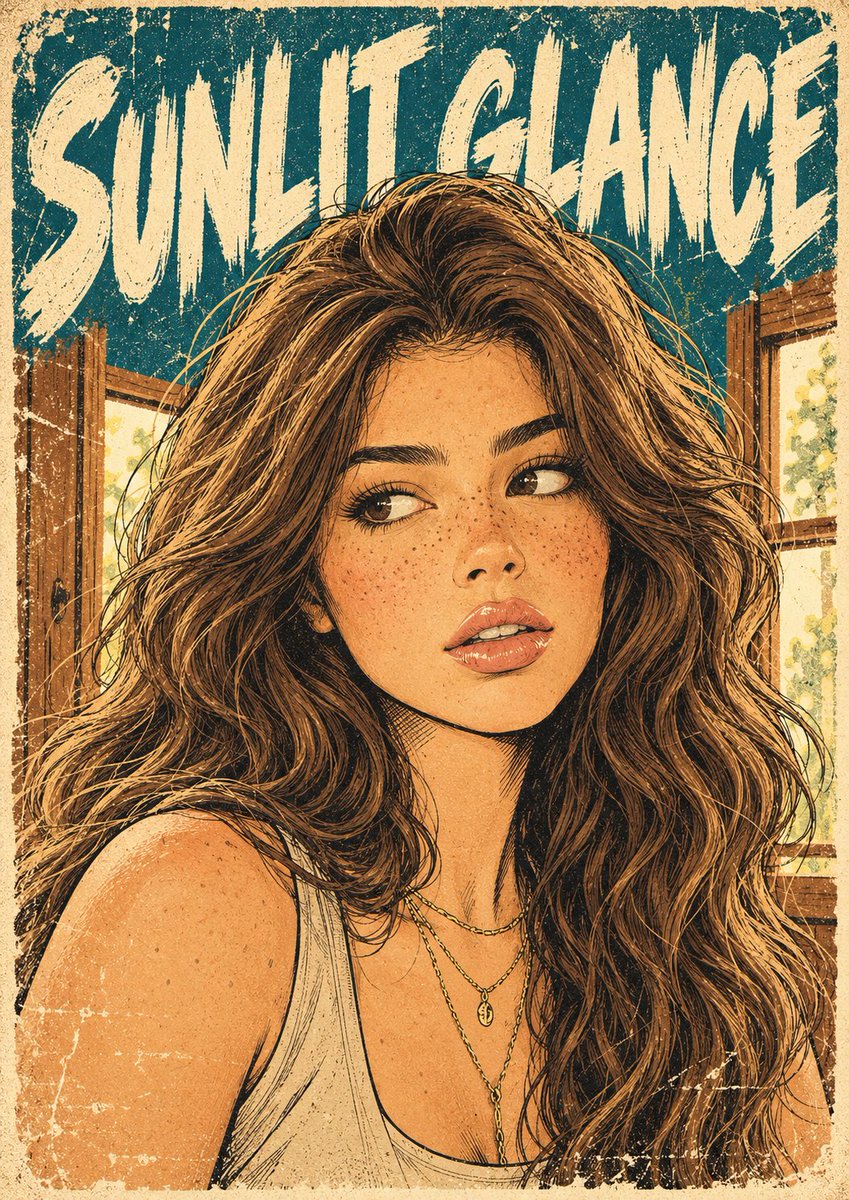
1 / 4照片转复古插画海报:夸张漫画与油墨印刷质感
将单张照片转化为带有地下漫画风格和做旧丝网印刷质感的复古插画海报。保留人物关键特征的同时,对五官进行大胆的卡通化重塑,结合粗犷的手绘标题字与磨损油墨效果,适合制作极具个性的角色海报。
完整提示词
Use the single uploaded photograph as the sole source for the subject. Transform it into a bold vintage illustrated character poster combining expressive editorial caricature, underground comic ink drawing, and distressed screen printing on aged cream paper. Create a freshly drawn cartoon character with clearly redesigned facial proportions, then build the poster around that character. Output one finished transformed poster only. Preserve the principal subjects, recognizable hairstyle, facial hair, skin-tone family, age and gender presentation, distinctive accessories, clothing categories, signature colors, pose, gesture, and interaction with existing objects. Keep the source head angle and general viewpoint. Preserve identity through these selected cues rather than exact facial measurements. Allow substantial cartoon redesign of the eyes, brows, nose, cheeks, jaw, and mouth. Keep adults visually adult while giving them expressive, playful proportions. Draw a slightly enlarged head with a broad upper face, prominent cheek shapes, and a compact tapered lower face. Make the eyes conspicuously large, elongated almond shapes with broad warm-ivory whites, dark irises, and decisive black upper eyelids. Position the pupils clearly toward the source gaze direction, emphasizing an off-center sideways or upward glance when appropriate. Keep a wink or narrowed eye consistent with the original expression. Avoid a uniformly wide-eyed stare. Use strong expressive eyebrows, a simplified nose defined by a few ink marks and one angular warm shadow, and a distinctive mouth drawn with confident curves. Preserve a closed mouth, grin, parted lips, or other expression without imposing the same smile on everyone. Suggest teeth as simple ivory shapes when visible. Adapt lashes, lip emphasis, beard marks, freckles, and facial details to the person instead of applying one generic face. Use strong, organically varied black ink contours around the silhouette, hair, eyes, clothing, and important objects. Add finer scratchy pen lines, short directional hatching, and selective cross-hatching inside shadow areas. Hair should consist of large flowing locks and dark masses with lively curved ink strokes and a few warm highlights. Preserve the actual hairstyle and color family. Render facial hair with compact dark shapes and short rough strokes. Describe clothing through broad color regions, clear folds, and sparse energetic pen marks. Build volume with a few flat shadow shapes rather than photographic gradients. Use a compact palette of opaque printing inks: aged ivory, near-black charcoal, warm ochre or peach skin tones, brown, and a few character-specific accents such as dusty pink, tomato red, mustard, muted mint, or petrol turquoise. Preserve recognizable source colors while translating them into punchy vintage ink colors. Default to a strong petrol-turquoise background; use deep charcoal when it better supports the source mood and clothing. Keep the figure clearly separated from the background. Skin should read as warm graphic color with restrained cheek blush and ink detail, not softly airbrushed portrait shading. Apply convincing worn-print texture across both figure and background: visible paper tooth, fine grain, scattered missing-ink flecks, slightly uneven ink coverage, scratched color areas, dry-brush edges, and lightly faded patches. Maintain crisp readable drawing underneath the distress. Add a narrow irregular aged-cream paper margin with worn corners and scuffed ink edges. The artwork should resemble an old illustrated poster printed on absorbent paper, with matte flat colors and tactile imperfections rather than glossy digital rendering. Make the main character dominant in the foreground. Preserve the source’s visible body range and essential gesture, adapting the composition to a vertical poster without inventing unseen hands, legs, or props. Place an oversized cream headline across the upper background, partially behind the character’s hair or silhouette. Draw the headline as rough uppercase hand-painted brush lettering with uneven widths, irregular spacing, strong diagonals, ragged dry-brush ends, and visible missing ink. Let the words span most of the poster width while keeping the face unobstructed. Preserve enough letter structure for the phrase to remain readable. Optional headline: [TITLE]. Optional small handwritten note: [NOTE]. Reproduce supplied text exactly. If TITLE is blank or omitted, generate a short two-to-four-word English phrase expressing the source image’s mood or activity. If NOTE is omitted, either add one brief context-related handwritten note or omit it when space is limited. Never display placeholders. Do not automatically copy slogans from other images, introduce profanity, or invent personal claims about the subject. Simplify the original setting into a few bold illustrated environmental shapes. Include only a small selection of relevant peripheral details, such as a source-related object, a taped paper note, or two or three quick hand-drawn accent marks. Keep these secondary to the character and headline. Do not automatically add coffee, plants, cats, jewelry, stars, furniture, or a new hand gesture unless supported by the source or explicitly requested. Prioritize expressive cartoon facial construction, confident black ink drawing, bold limited-color shapes, oversized brush typography, and authentic distressed printing. Avoid realistic facial geometry with a texture filter, delicate pastel doll styling, standard polished anime, tiny chibi bodies, smooth vector outlines, watercolor washes, glossy airbrushing, photographic backgrounds, 3D rendering, excessive decoration, extra subjects, malformed hands, signatures, platform watermarks, and interface elements. Output only the completed illustrated poster, with no original photograph or comparison layout.
使用说明
中文提示词: 使用上传的唯一照片作为主题素材。将其转化为一张大胆的复古插画人物海报,融合富有表现力的漫画、地下漫画墨水画以及做旧丝网印刷工艺,印制在仿旧米色纸张上。创作一个全新绘制的卡通人物,并重新设计其面部比例,然后围绕该人物构建海报。仅输出一张最终完成的改造海报。 保留主要人物特征,包括可辨识的发型、胡须、肤色、年龄和性别、独特配饰、服装类别、标志性颜色、姿势、手势以及与现有物品的互动。保持原图的头部角度和整体视角。通过这些选定的线索而非精确的面部尺寸来保持人物身份。允许对眼睛、眉毛、鼻子、脸颊、下巴和嘴巴进行大幅度的卡通化重新设计。保持成年人的视觉成熟度,同时赋予他们富有表现力且活泼的比例。 画一个略微放大的头部,上脸宽阔,颧骨突出,下脸紧凑呈锥形。眼睛要画得大而细长,呈杏仁状,眼白宽阔,呈暖象牙色,虹膜深邃,上眼睑呈深黑色。瞳孔要清晰地朝向注视方向,必要时可以强调略微偏斜或向上的眼神。眨眼或眯眼的动作要与人物原本的表情保持一致。避免画成一成不变的瞪大眼睛。眉毛要浓重有力,鼻子要简洁,用几笔勾勒出轮廓,并用一抹暖色调的阴影加以点缀。嘴唇要画得饱满自信,可以有闭嘴、微笑、微张或其他表情,但不要让每个人都露出同样的笑容。如果能看到牙齿,可以用简单的象牙色来表示。睫毛、嘴唇的重点、胡须、雀斑和面部细节都要根据人物的特点来调整,而不是千篇一律地使用一张脸。 在人物轮廓、头发、眼睛、衣物和重要物品周围,使用粗犷且富有变化的黑色墨水勾勒线条。在阴影区域内,添加更细的笔触、短促的方向性排线和选择性的交叉排线。头发应由飘逸的大绺和深色的发束构成,并以生动的弧形墨线和少量暖色调的高光加以点缀。保留真实的发型和色调。用紧凑的深色形状和短促的粗线条来描绘面部毛发。通过大面积的色块、清晰的褶皱和稀疏而充满活力的笔触来表现衣物。用少量扁平的阴影形状来营造立体感,而不是使用照片般的渐变效果。 使用一套简洁的不透明印刷油墨:仿古象牙色、近乎黑色的炭黑、暖赭色或桃色肤色、棕色,以及一些角色专属的点缀色,例如灰粉色、番茄红、芥末黄、柔和的薄荷绿或汽油蓝绿色。在将原作色彩转化为醒目的复古油墨色的同时,保留其可辨识性。默认使用浓郁的汽油蓝绿色作为背景;如果深炭黑色更能烘托原作的氛围和服饰,则可采用深炭黑色。保持人物与背景的清晰分离。肤色应呈现温暖的图形色彩,搭配克制的腮红和墨线细节,而非柔和的喷绘肖像阴影。 在人物和背景上都运用逼真的旧印刷纹理:可见的纸张纹理、细密的纸粒、零星的墨点、略微不均匀的墨迹覆盖、刮擦的色块、干刷边缘以及轻微褪色的斑块。在做旧效果下,保持清晰可辨的画面。添加窄窄的、不规则的、泛黄的纸张边缘,边角磨损,墨迹边缘也略有擦痕。作品应类似于印在吸水性纸张上的老式插图海报,采用哑光平涂的色彩和触感上的瑕疵,而非光亮的数码渲染效果。 让主角占据前景的主导地位。保留原作中人物可见的身体范围和基本姿态,将构图调整为竖版海报,不要添加任何隐藏的手、腿或道具。在背景上方放置一个超大的米色标题,部分位于人物头发或轮廓之后。标题采用粗犷的手绘毛笔大写字母,笔画粗细不一,间距不规则,斜线明显,笔画末端干涩,并留有明显的墨迹缺失。让文字占据海报的大部分宽度,同时保持人物面部清晰可见。保留足够的字母结构,确保文字清晰易读。 可选标题:[标题]。可选手写注释:[注释]。请完全复制提供的文本。如果标题为空或省略,请生成一个两到四个单词的简短英文短语,表达源图像的氛围或活动。如果省略注释,请添加一条简短的与上下文相关的手写注释,或在空间有限时省略。切勿显示占位符。请勿自动复制其他图像中的标语、添加不雅词汇或捏造关于主题的个人观点。 将原场景简化为几个醒目的环境图形。仅包含少量相关的周边细节,例如与原作相关的物品、粘贴的纸条或两三个快速手绘的强调标记。这些细节应以人物和标题为辅。除非原作支持或明确要求,否则不要随意添加咖啡、植物、猫、珠宝、星星、家具或新的手势。 优先考虑富有表现力的卡通面部结构、自信的黑色墨水绘画、醒目的有限色彩形状、超大号笔刷字体以及逼真的做旧印刷效果。避免使用纹理滤镜的写实面部几何形状、柔和的粉彩娃娃风格、标准的精致动漫风格、小巧的Q版身材、平滑的矢量轮廓、水彩晕染、光泽喷绘、照片背景、3D渲染、过多的装饰、多余的人物、畸形的手、签名、平台水印和界面元素。仅输出最终完成的插图海报,不包含原始照片或对比布局。